
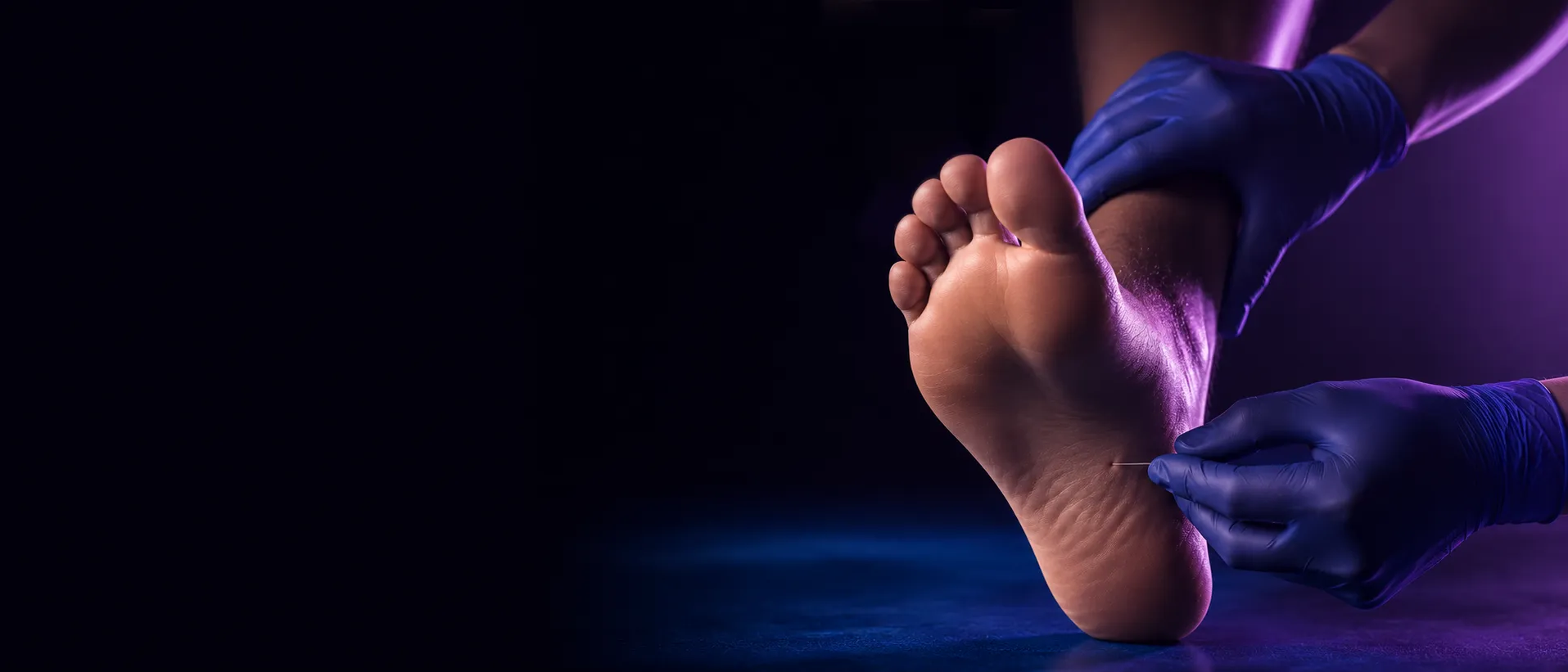
Dry Needling:
Release the Muscle
Tension Behind Your Pain
Some muscle knots simply will not release, no matter how much you stretch — and they can quietly drive foot and heel pain for months. Dry needling reaches those stubborn knots directly. It is precise, it is quick, and for many people it unlocks progress that had stalled.
The Treatment
What Is Dry Needling?
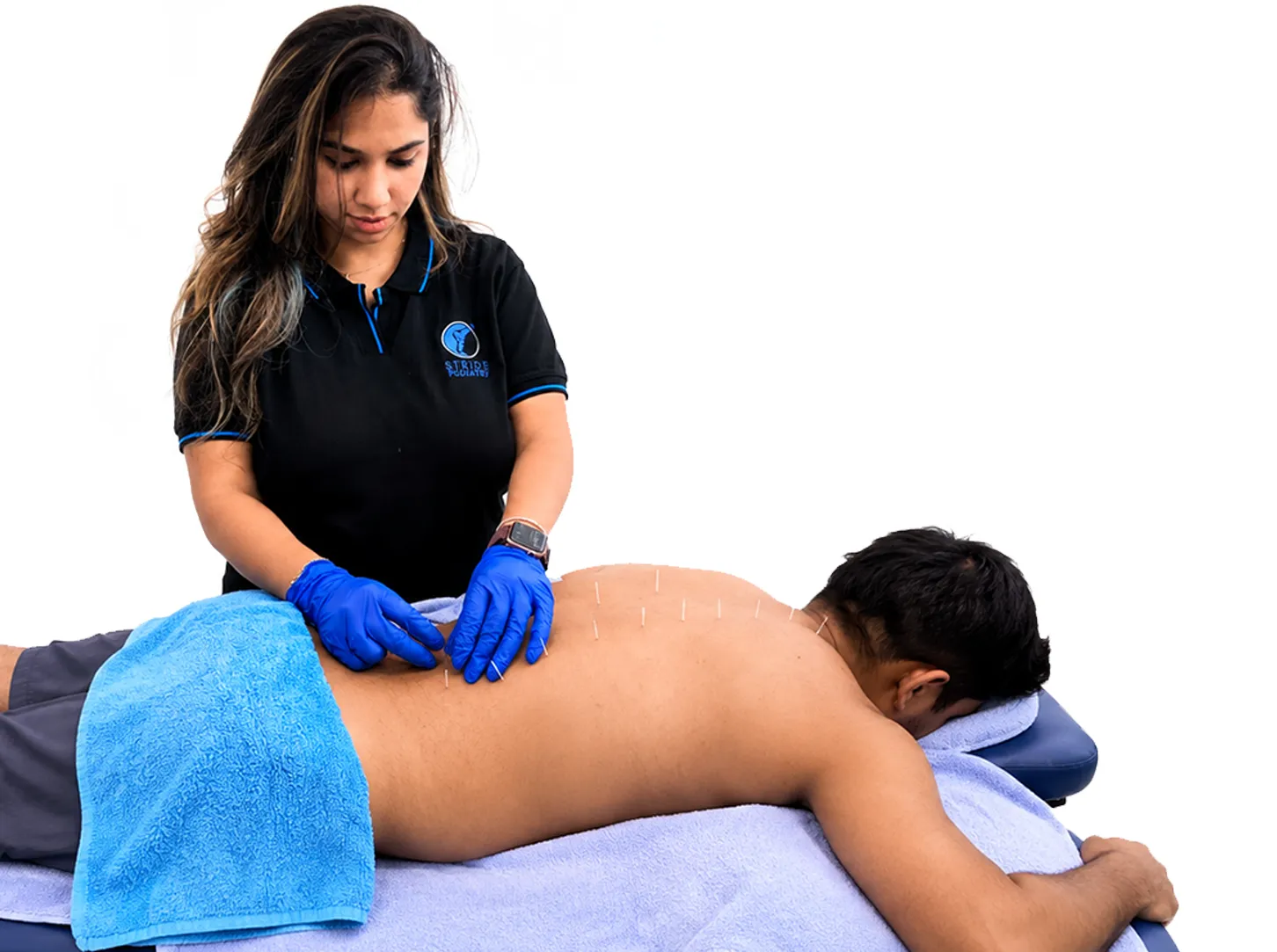
Dry needling is a treatment in which very fine, sterile needles are placed briefly into tight muscle knots — known as trigger points — to release them. It is called dry needling because nothing is injected; the needle itself does the work.
Although it uses similar needles to acupuncture, the thinking is different: dry needling is based on modern musculoskeletal science, targeting the specific knots that drive your pain.
Why It Matters
Dry needling reaches tension
that stretching alone often cannot.
When the source of pain is a stubborn knot deep in a muscle, a direct approach is the most effective one.
Releases stubborn trigger-point knots
Fine needles reach directly into the tight muscle knots in your calf and lower limb that other treatments can miss — and release them from within.
Eases tension that refers pain into the foot
Many cases of persistent heel and foot pain trace back to trigger points higher up. Needling addresses the source, not just where the pain is felt.
Reaches tightness that stretching cannot shift
When months of stretching and rest have not freed a knot, dry needling offers a direct mechanical release that passive approaches simply cannot replicate.
Restores function and supports faster recovery
Once the knot releases, normal muscle length and movement return — reducing compensation patterns and helping your body heal more efficiently.
The Process
What to Expect in Your Session
A dry needling session is quick, and far gentler than people expect.
Assessment
We locate the tight trigger points through careful palpation and discuss exactly where your pain is coming from and what is driving it.
Explanation
Your podiatrist walks you through the technique and what you will feel — so you are completely at ease before treatment begins.
The Needling
Fine, sterile, single-use needles are placed briefly into the target knots. You may feel a small twitch or dull ache as the muscle releases — that is the sign it is working.
After the Session
The area may feel mildly sore for a day or so, much like after exercise. We guide you on movement and hydration to support your recovery.
Your Plan
Needling is one part of a wider treatment plan — combined with exercises, orthotics or manual therapy to make sure the relief holds.
Your Outcomes
What You Walk Away With
By the end of your session, you will have:
Released knots that were driving your pain
Stubborn trigger points finally let go — removing a key driver of foot and heel pain that other treatments had not reached.
Freer movement and noticeably less tension
Many patients leave feeling lighter and freer in the calf and foot — a change that is often felt from the very first session.
Clarity on how needling fits your wider plan
You understand exactly where dry needling sits alongside your exercises, orthotics and manual therapy — and how each part reinforces the others.
Simple aftercare guidance
Clear, practical advice on movement and hydration for the day or two that follow, so your recovery stays on track.
2014
Founded
10k+
Patients
19+
Yrs expertise
Dr. Pallavi Singh
Founder · Stride Podiatry India
BPT (DAVV) · Trained in dry needling and trigger-point therapy · Indian Podiatry Association Lifetime Achievement Award · ISB / IIM Bangalore Women Entrepreneurship Programme · 19+ years clinical practice
Why Stride Podiatry
You arrive with knots
that will not let go.
You leave released — and with a clear plan.
Since 2014, Stride Podiatry has helped over 10,000 people walk free of foot pain. Founded by Dr. Pallavi Singh — a foot specialist with 19+ years of experience and the Indian Podiatry Association's Lifetime Achievement Award — our clinics treat the person, not just the pain. Every session is purposeful. Every technique is precise. Every plan is built around you.
Our ApproachContinue Your Care
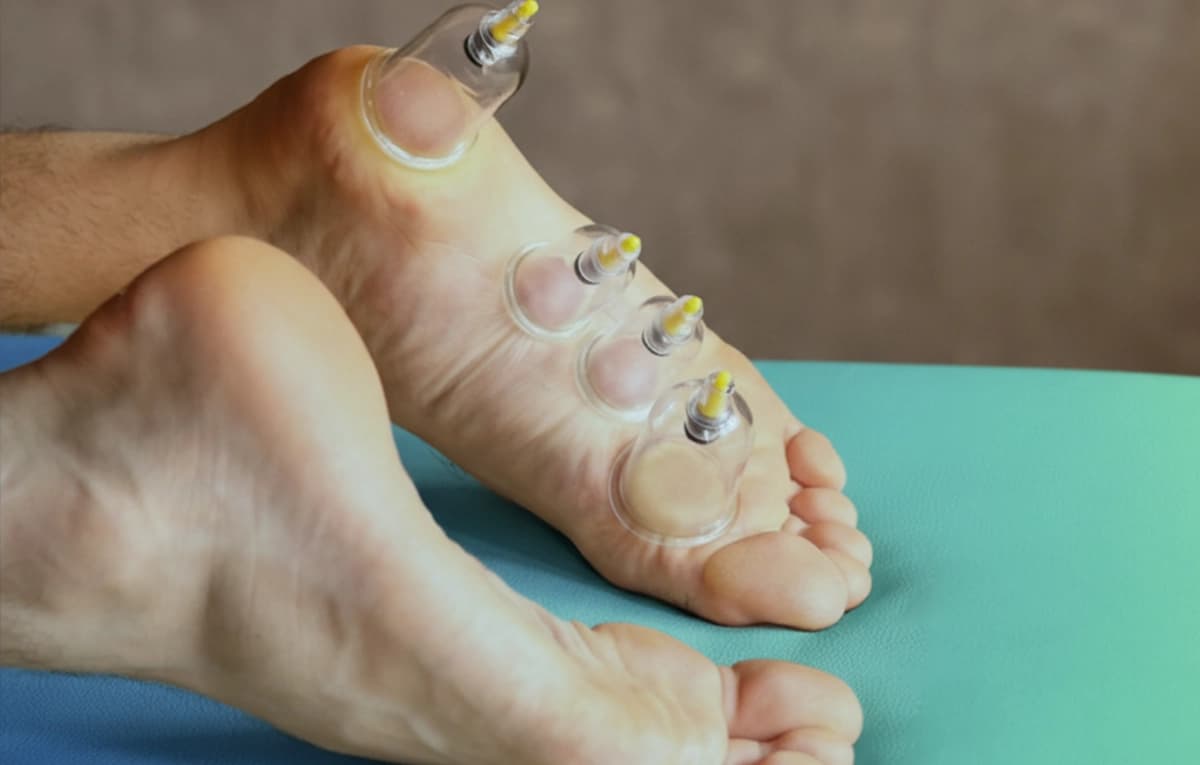
Often paired with dry needling
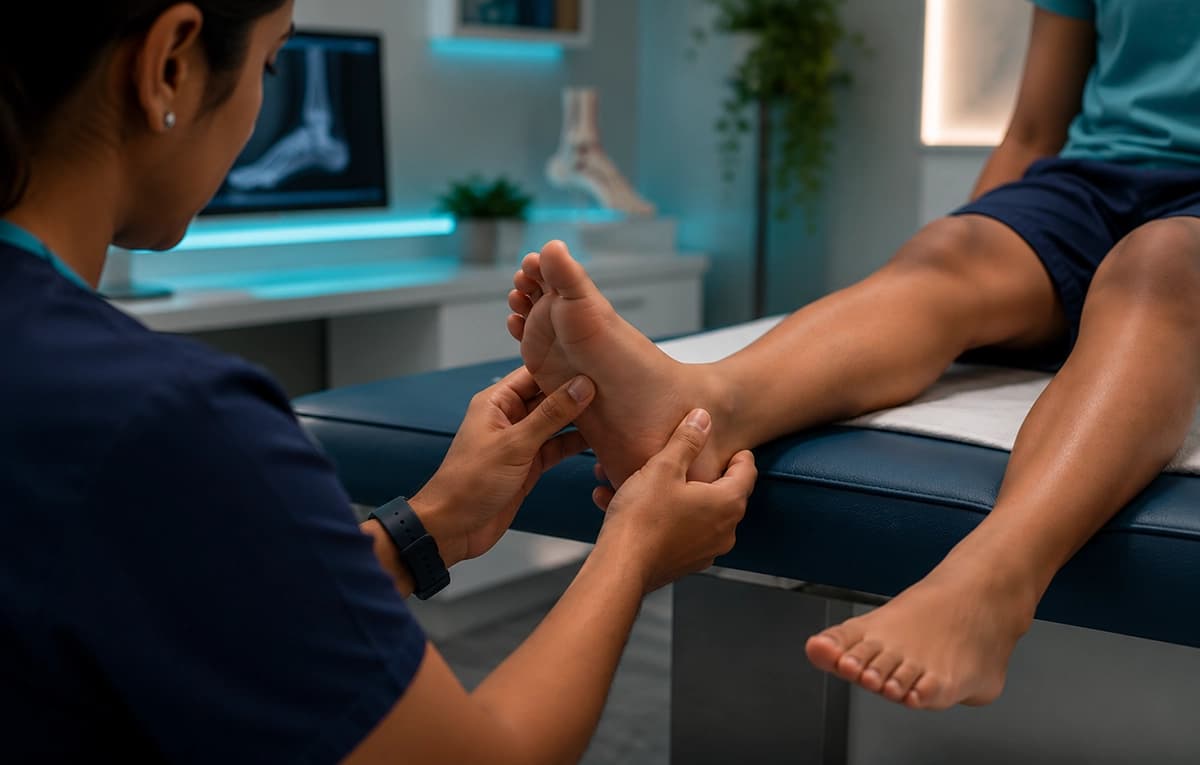

Conditions dry needling commonly helps
FAQ
Frequently Asked Questions
They use similar fine needles, but the thinking is different. Dry needling is based on modern musculoskeletal science — it targets tight muscle knots, called trigger points, to release tension and pain.
The needles are very fine, so insertion is barely felt. When a tight trigger point releases, you may feel a brief twitch or a dull ache — most people find it very tolerable, and the relief that follows is worth it.
Yes. It is performed by trained practitioners using sterile, single-use needles. Some mild soreness afterwards — much like after a workout — is normal and short-lived.
In foot and lower-limb care, it is used to release tight calf and lower-limb muscles whose trigger points refer pain into the foot and heel — helping conditions such as plantar fasciitis, Achilles tendonitis and stubborn calf tightness.
It varies with your condition and how your muscles respond. Your podiatrist will suggest a sensible course and review your progress along the way.
Imagine the stubborn knot
that has been feeding your foot pain
finally letting go.
Dry needling can help release it. Book a session online, or call Stride Podiatry. Let's free up that tension — and your stride with it.