
Diabetic Foot Care to Protect Your Feet and Mobility
When you live with diabetes, your feet deserve a little extra attention — and a lot of reassurance. With regular, expert care, the serious foot complications linked to diabetes are very often preventable.
At a Glance
Diabetic Foot Care
Affects
Nerves, circulation & skin
Screening
At least once a year
Watch for
Numbness & slow-healing skin
Outcome
Most problems are preventable
Our role
Steady, preventive partnership
What Is Diabetic Foot Care?
Over time, diabetes can affect the feet in two quiet ways: it can reduce sensation through nerve changes, and it can slow circulation. Together, these mean a small problem — a cut, a blister, a callus — may go unnoticed and be slower to heal.
Diabetic foot care is regular, preventive attention that catches these small things early, while they are still small. It is not about worry — it is about staying a step ahead, so your feet keep carrying you comfortably and confidently.
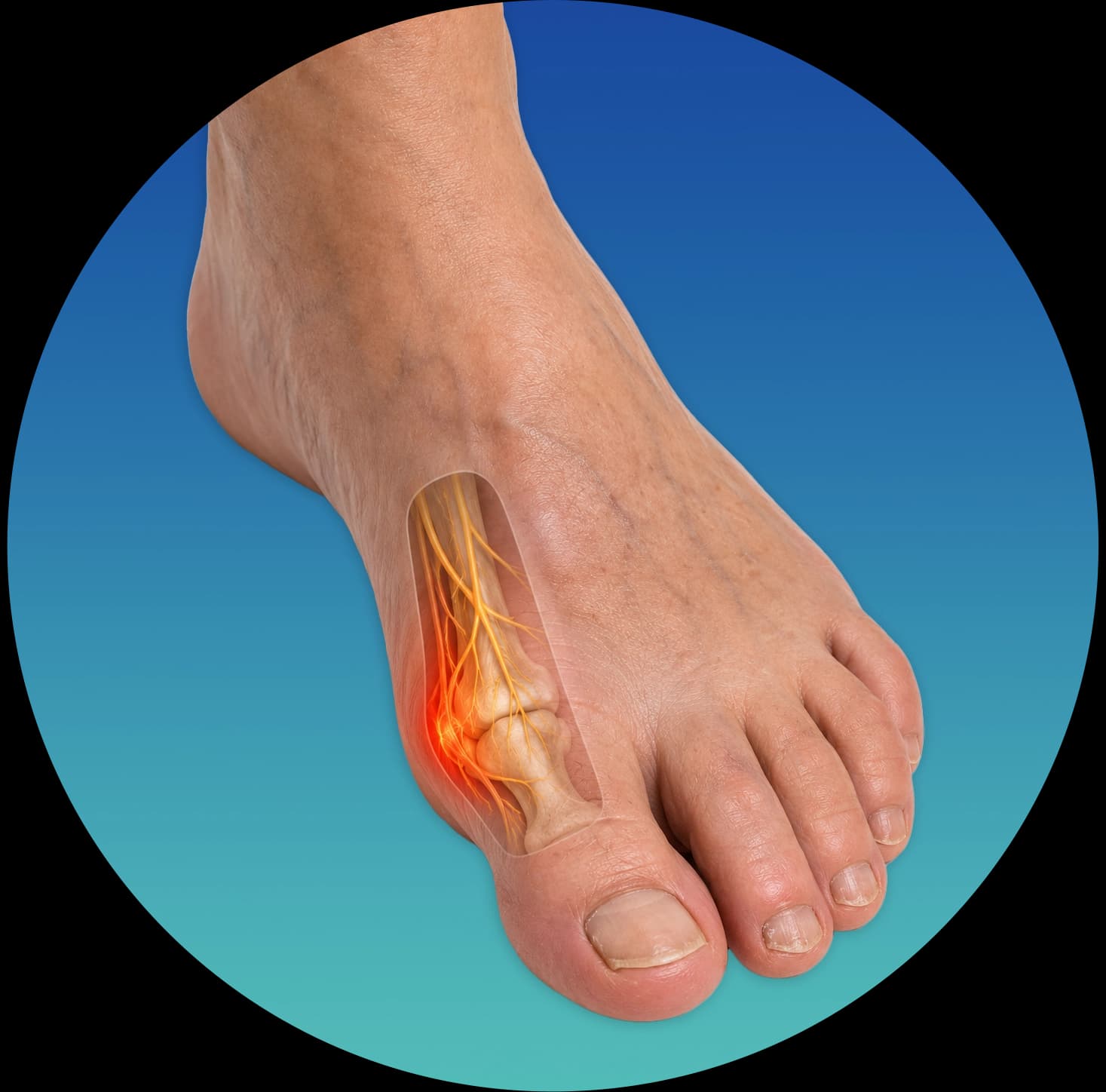
Signs to Watch For
Between check-ups, a little awareness goes a long way. None of these signs is a cause for alarm — they are simply things worth noticing and mentioning to your podiatrist.
Sensation changes
Numbness, tingling or loss of feeling
Nerve changes can dull or alter sensation — numbness, a pins-and-needles tingling, or a burning feeling. Because feeling is how feet normally warn you of trouble, any change is worth mentioning at your next check.
Skin & healing
Dry skin, calluses or slow-healing sores
Dry, cracked skin, hard calluses building up, or any cut, blister or sore that is slow to heal. Healing is often slower with diabetes, so even small breaks in the skin deserve attention.
Colour & comfort
Changes in colour, shape, temperature or swelling
A change in the colour, shape or temperature of a foot, new swelling, or any fresh pain or discomfort. These shifts are easy to miss day to day — which is exactly why a regular look matters.
Also worth noticing
Footwear that rubs, or leaves marks on the skin
Anything that looks different from your other foot
Pressure marks or hot spots after wearing shoes
Why Diabetes Affects the Feet
The feet are a little more vulnerable in diabetes for a few connected reasons — understanding them is the first step to staying ahead.
The reassuring truth
Because nerve changes can hide pain, a minor problem can quietly progress — which is exactly why regular checks matter so much. And the reassuring side of that same fact: caught early, the great majority of diabetic foot problems are very manageable.
Nerve changes (neuropathy)
Diabetes can affect the nerves of the feet, dulling the pain that would normally warn you that something is wrong.
Reduced circulation
Slower blood flow to the feet means broken skin takes longer to heal, giving small problems more time to develop.
Higher blood sugar over time
Raised blood sugar affects how wounds recover, so cuts and sores can be slower and harder to heal.
Calluses and pressure points
Hard skin and high-pressure areas can break down if left unmanaged — a common starting point for trouble.
Everyday knocks and footwear rubbing
Minor bumps, or shoes that rub, may go unfelt when sensation is reduced — quietly causing damage over time.
How Stride Podiatry Cares for Diabetic Feet
Our role is steady, preventive partnership — working alongside your wider diabetes care to keep your feet healthy and protected. Here is what that looks like.
Regular Diabetic Foot Screening
A thorough check of sensation, circulation and skin, so nothing is missed — the cornerstone of keeping diabetic feet healthy.
Safe Callus & Nail Care
Gentle, professional management of hard skin and nails — carried out safely, the way diabetic feet need.
Practical Daily Guidance
Simple foot-check habits that keep you in control between visits, so you always know your feet are doing well.
We work hand in hand with your doctor and wider diabetes care — foot health is one part of the bigger picture, and we are glad to be the part that looks after your feet.
19+
Years
3
Cities
500+
Students Trained
10K+
Patients Treated
Dr. Pallavi Singh
Founder · Stride Podiatry India
Since 2014, Stride Podiatry has helped over 10,000 people walk free of foot pain. Founded by Dr. Pallavi Singh — a foot specialist with 19+ years of experience and the Indian Podiatry Association's Lifetime Achievement Award — our clinics treat the person, not just the pain.
You leave with a clear plan.
Frequently Asked Questions
For most people with diabetes, a professional foot check at least once a year is recommended — and more often if you have reduced sensation, circulation changes or previous foot problems. Your podiatrist will advise the right schedule for you.
Yes, and this is important: diabetes can dull pain, so feet can look and feel fine while a problem develops. Regular checks are precisely how those silent issues are caught early.
Check your feet daily for cuts, blisters or colour changes, keep skin moisturised, wear well-fitting shoes, and never walk barefoot on hard or hot surfaces. We will guide you through a simple routine.
It is best not to, especially with diabetes — over-the-counter treatments and home tools can damage skin. Safe, professional callus care protects the skin while keeping it comfortable.
Don’t wait — contact a healthcare professional promptly. A wound that is slow to heal needs timely attention, and early care makes a real difference.
Book Your Appointment
Caring for your feet is one of the kindest, simplest things you can do for your health with diabetes.
Book a diabetic foot screening online, or call Stride Podiatry. A little regular attention today protects your mobility, comfort and independence for years to come.